Is an Extended Warranty Worth It If I Already Have Comprehensive Insurance?
This is one of the most common questions we get, and the short answer is: yes, because a motor warranty and comprehensive insurance cover two entirely different sets of risk. Having one doesn't make the other redundant — which is why the large majority of vehicle owners who carry an extended warranty also carry comprehensive cover, and vice versa.
What comprehensive insurance covers
Comprehensive motor insurance protects you against accidents, theft, hijacking, fire, and third-party liability — the sudden, external risks to your vehicle. If someone drives into you, your car is stolen, or you cause damage to another vehicle or property, that's an insurance claim.
What an extended warranty covers
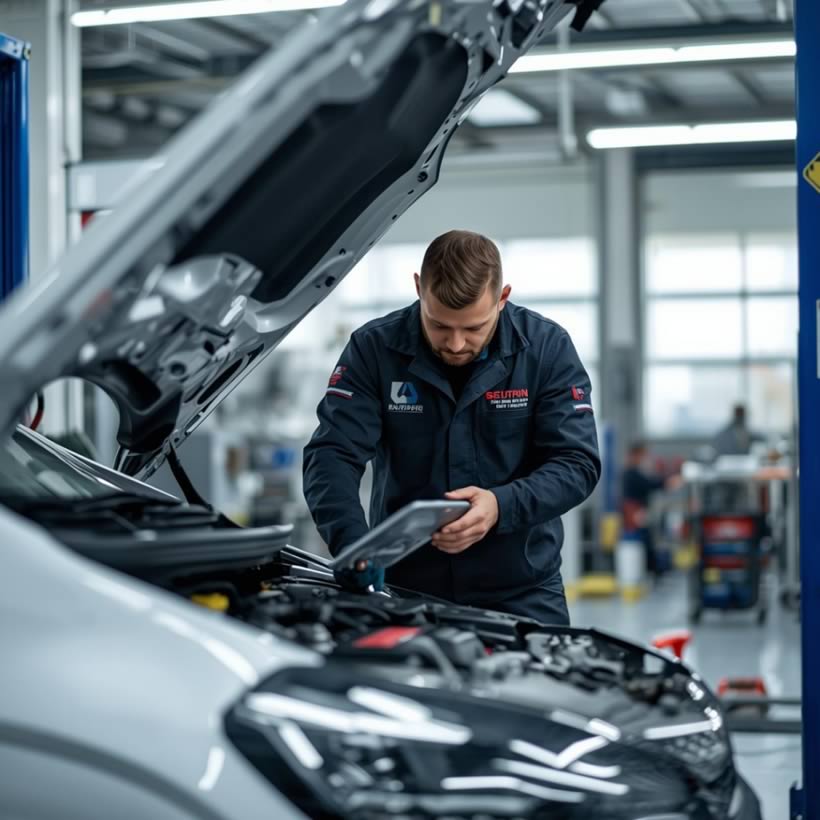
An extended warranty protects you against unexpected mechanical and electrical failures — the engine, gearbox, electrical systems and other named components breaking down through no fault of an accident or external event. If your gearbox fails at 120,000km, that's a warranty claim, not an insurance claim; your insurer has no obligation to pay for a mechanical breakdown that wasn't caused by a collision or other insured event.
Why the two don't overlap
Insurance is built around sudden, external, often low-probability events. A warranty is built around the ordinary risk that a used vehicle's mechanical and electrical systems can fail as they age, regardless of how carefully it's driven or maintained. Neither product is designed to step in for the other — an insurer will decline a mechanical breakdown claim just as firmly as a warranty provider will decline a claim for accident damage.
So do you need both?
If your vehicle is outside its manufacturer's original cover, or you've bought it used with no warranty remaining, then yes — comprehensive insurance alone leaves the entire cost of a major mechanical failure sitting with you. The two products together are what most owners consider full protection: insurance for the unexpected event, warranty for the unexpected failure.
How FSP regulation protects you
A motor warranty sold in South Africa must be sold through, or on behalf of, a registered Financial Services Provider (FSP), which is required under the FAIS Act to disclose exactly what is and isn't covered before you buy — so there's no ambiguity about where your warranty ends and your insurance would need to begin.
Frequently asked questions
Does comprehensive car insurance cover mechanical breakdowns?
No. Comprehensive insurance covers accidents, theft, fire, and third-party liability — not mechanical or electrical failures that occur without an accident or other insured event.
Does an extended warranty cover accident damage?
No. Accident, theft, and misuse damage are standard exclusions on a motor warranty — that's what motor insurance is for.
Do I really need both a warranty and insurance?
For most owners, yes. They cover non-overlapping risks, and carrying only one leaves a real gap: insurance alone leaves you exposed to mechanical failure costs, and a warranty alone leaves you exposed to accident and theft costs.
Which should I get first if I can only afford one right now?
This depends on your specific risk — a newer or well-maintained vehicle with a solid service history may carry lower mechanical risk in the short term, while an older or higher-mileage vehicle may make a warranty the more urgent priority. It's worth getting a quote for both and weighing the cost against your vehicle's specific age and mileage.